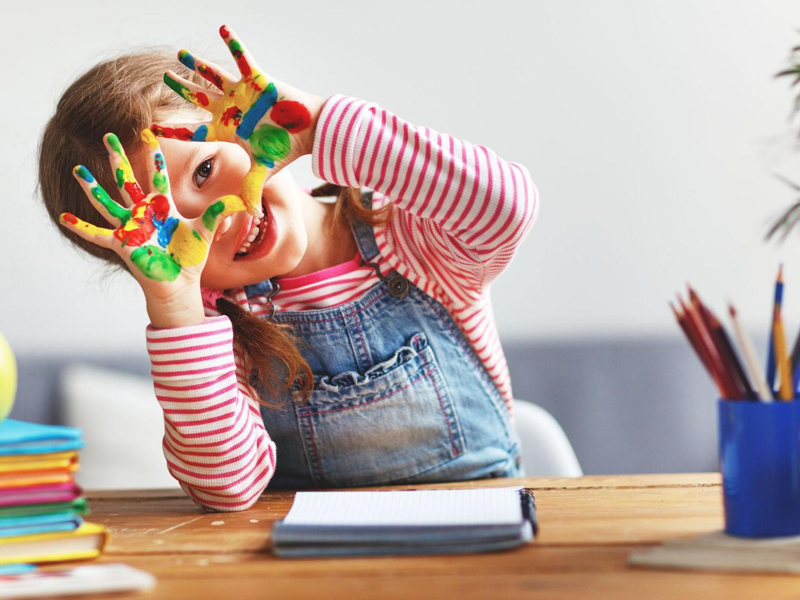
In today’s rapidly evolving world, education needs to keep pace with society’s changing demands. One important aspect that often gets overlooked in traditional curricula is the need for a dose of creativity in every child’s education. Creativity is a luxury and a vital component of a well-rounded education. Here’s why every child needs a dose of creativity to thrive in their learning journey.
1. Enhances Problem-Solving Skills
Creativity is fundamental to problem-solving. When children are encouraged to think creatively, they learn to approach problems from multiple angles. This flexibility in thinking is essential for developing innovative solutions and making informed decisions. A dose of creativity in their education fosters critical thinking and allows students to tackle challenges with a fresh perspective, making them better equipped for future problems.
2. Boosts Academic Performance
Contrary to the belief that creativity and academic achievement are mutually exclusive, integrating a dose of creativity into education can enhance academic performance. Creative activities stimulate different brain parts, improving cognitive functions such as memory and concentration. Children engaging in creative tasks often find learning more enjoyable and motivating, leading to better academic results.
3. Encourages Emotional Expression
Education isn’t solely about academic achievement; it also involves emotional development. A dose of creativity provides children with the tools to express their emotions constructively. Children can explore and articulate their feelings through art, music, or creative writing. This form of emotional expression can lead to better mental health and a more balanced learning and personal development approach.
4. Fosters Innovation and Originality
In a world where innovation is key to success, fostering creativity in education is crucial. A dose of creativity helps children develop original ideas and think outside the box. By nurturing their creative potential, educators can cultivate future innovators who will drive progress and contribute unique solutions to global challenges. Encouraging creativity from a young age sets the stage for lifelong innovation.
5. Promotes Collaboration and Teamwork
Creativity often involves collaboration, and incorporating a dose of creativity into education helps children learn how to work effectively with others. Group projects, creative exercises, and brainstorming sessions teach children how to communicate their ideas, listen to others, and build on each other’s strengths. These teamwork skills are invaluable not just in educational stages but also in future professional environments.
6. Builds Confidence and Resilience
Creativity allows children to take risks and make mistakes in a safe environment. A dose of creativity in education encourages experimentation and learning from failure, which builds resilience. When children see their ideas come to life, it boosts their confidence and self-esteem. They learn that persistence and creativity can lead to successful outcomes, fostering a positive attitude toward challenges.
7. Enhances Engagement and Motivation
One of the most significant benefits of incorporating a dose of creativity into education is its impact on engagement and motivation. Creative activities break the monotony of traditional learning and make education more engaging. When children are excited about their knowledge, they are more motivated to participate actively and take ownership of their education. This heightened engagement leads to a deeper and more meaningful learning experience.
8. Prepares Students for Future Careers
As the job market evolves, employers increasingly seek people who can consider creatively and adapt to new conditions. Creativity in education equips students with the skills needed for future careers. Creative thinking fosters adaptability and the ability to navigate complex, ever-changing environments. By integrating creativity into their learning experiences, children develop a skill set that makes them better competitive in the job market and ready for jobs that demand innovation and flexibility. Embracing creativity in education today ensures that students are ready to meet the challenges of tomorrow’s workforce.
Conclusion
In conclusion, a dose of creativity is essential for every child’s education. It enhances problem-solving skills, boosts academic performance, encourages emotional expression, fosters innovation, promotes collaboration, builds confidence, and enhances motivation. Integrating creativity into educational practices can prepare children for a future that values and requires innovative thinking and emotional intelligence. So, let’s embrace the power of imagination and ensure that every child receives an essential dose of creativity in their education.